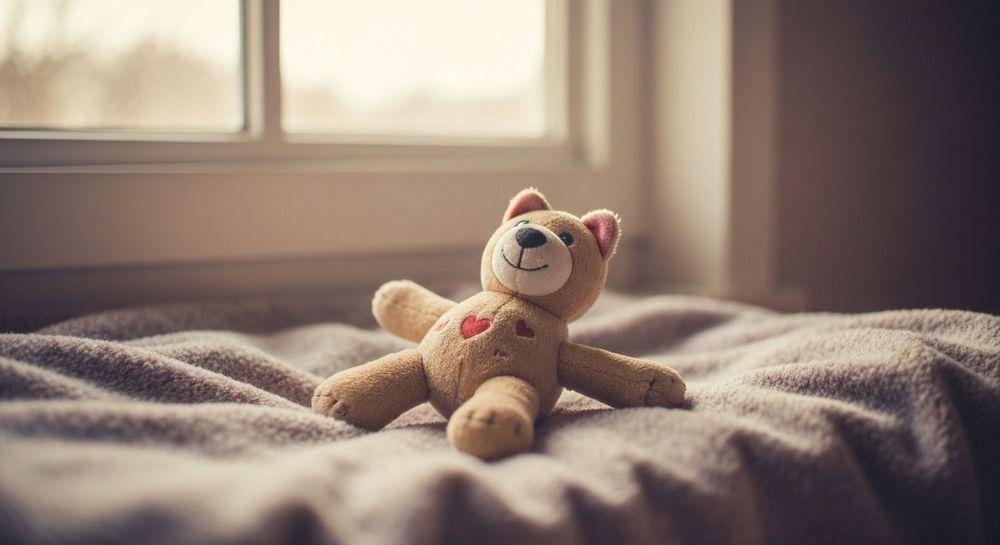
Exploring the psychology of using dolls like the Bride Doll or Allison as emotional safe havens and silent confidants when parental figures fail.
To a happy, secure child, a toy is often little more than a source of entertainment, a favorite companion during playtime before being left behind for dinner, homework, or bedtime. But for a child living within the chaos of trauma, neglect, or emotional instability, a toy can become something much more profound.
It can become a lifeline.
When the people who are supposed to provide comfort instead become the source of fear, confusion, or abandonment, children instinctively begin searching for safety elsewhere. The developing mind has an extraordinary ability to adapt to painful circumstances, creating small spaces of security wherever it can find them. For many children, those spaces take the shape of dolls, stuffed animals, or treasured objects that quietly become trusted companions.
What adults may see as simple toys, children may experience as protectors, listeners, and emotional anchors.
The Psychology Behind Childhood Comfort Objects
Psychologists often describe childhood attachment items as transitional objects. Children use to cope with separation, uncertainty, or emotional distress. While the term sounds clinical, the emotional reality behind it is deeply human.
Children naturally seek consistency. They want to know that someone will be there when they cry, someone will listen when they are afraid, and someone will make them feel safe when the world becomes overwhelming.
When those emotional needs go unmet, children often project comfort and trust onto something that feels dependable.
- Unlike unpredictable adults, dolls do not yell.
- They do not criticize.
- They do not abandon.
- They do not suddenly withdraw affection.
A doll remains exactly the same from one day to the next. For a child surrounded by emotional storms, that predictability becomes incredibly powerful.
The Silent Witnesses of Childhood Pain
Children experiencing trauma frequently carry feelings they cannot safely express. They may not have the language to describe what is happening around them, and even when they do, they may fear punishment, rejection, or disbelief.
- So they keep those feelings inside.
- Or they whisper them to something that feels safe.
- A doll becomes a silent witness.
Children talk to dolls in ways they often cannot talk to adults. They share fears, sadness, anger, and loneliness with complete trust because the doll asks for nothing in return. It listens without judgment and keeps every secret.
This quiet act can become an early form of emotional processing. By speaking fears aloud even to an inanimate object, children create a small release for emotions too large to carry alone.
The toy becomes the keeper of stories no one else hears.
More Than Play: Creating Control in an Uncontrollable World
Trauma often leaves children feeling powerless. They have no control over arguments in the house, family instability, or the actions of adults around them.
- But they can control their dolls.
- They can protect them.
- They can comfort them.
- They can care for them.
Through play, children sometimes recreate the care they desperately wish to receive themselves. A child wrapping a doll in blankets, rocking it to sleep, or keeping it close may unknowingly be practicing the tenderness and protection they long for in their own lives.
In nurturing their toys, children are creating the safety they cannot find elsewhere.
The Objects That Stay When Everything Else Changes
As childhood moves through seasons of change, some objects become far more than possessions. They become emotional landmarks.
- Homes may change.
- Schools may change.
- People may disappear.
But sometimes a treasured doll remains.
Years later, many adults still remember those childhood objects with surprising clarity, the faded fabric, the worn edges, or the feeling of holding them close during difficult moments.
Perhaps that is because they were never really toys at all.
- They were companions.
- They were protectors.
- They were reminders that even during the hardest moments, something stayed.
The Things That Stayed When Everything Else Changed
What objects or memories served as your anchor during difficult chapters of your youth? Share your thoughts with us.
If you are on your own path toward healing from past trauma, remember that your story is uniquely yours and it is worth telling.
To read more about Trisha McLoughlin’s powerful journey from childhood heartbreak to a life of hard-won victory, look out for the upcoming release of The Dolls Were Listening.
