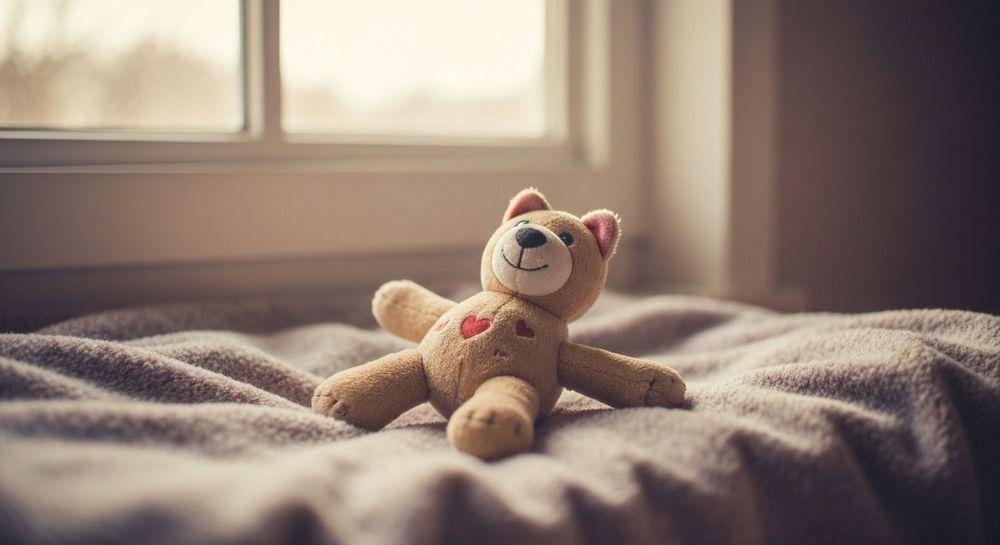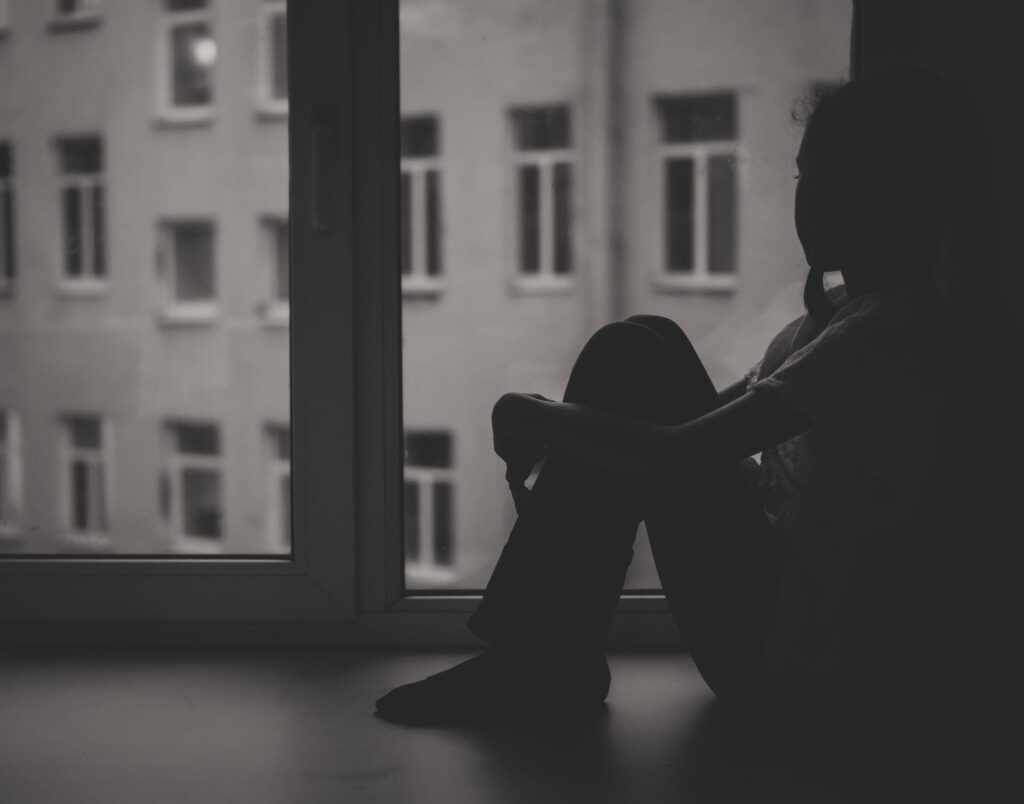
Childhood should be filled with safety, comfort, and love. When pain becomes part of growing up, the wounds often travel far beyond childhood, leaving scars that shape how survivors see themselves and the world around them.
Children enter the world trusting. They believe that the people who tuck them into bed, kiss scraped knees, and hold their hands through difficult moments are there to protect them. A child does not question whether love is supposed to hurt because they have no reason to believe otherwise. They simply accept the world they are given. Their understanding of family, relationships, and safety is built entirely around the environment in which they are raised.
For children growing up in homes marked by emotional or physical abuse, this becomes one of childhood’s greatest tragedies. Many do not recognize that what is happening to them is wrong because they assume everyone lives the same way. They believe every child goes to sleep feeling anxious, every child learns to walk carefully around certain moods, and every child silently wonders whether they are somehow responsible for the tension filling a room.
The heartbreaking truth is that children rarely place blame where it belongs. Instead of questioning the adults around them, they often question themselves. Deep inside, many children carry thoughts they were never meant to hold: What did I do wrong? Why am I not enough? If I were better, would things be different? Children naturally seek reasons for pain, and when adults fail them, they often assume they must somehow be the cause.
The Invisible Wounds Children Carry
Physical wounds often heal with time. Bruises fade, cuts disappear, and broken bones mend. Emotional wounds can work very differently. Harsh words spoken repeatedly, rejection, neglect, humiliation, or living in an environment filled with fear can leave marks that remain long after childhood has ended.
Over time, children can begin to absorb harmful messages and mistake them for truth. A child who is constantly criticized may grow up believing they are not good enough. A child who feels unwanted may begin to believe they are difficult to love. A child who is ignored may slowly convince themselves that their feelings simply do not matter.
These beliefs are rarely formed overnight. They are built slowly through repeated experiences, one painful moment at a time. Children look to parents and caregivers to understand who they are and how the world works. When those relationships become sources of fear rather than comfort, survival often replaces security.
Many children adapt in ways that outsiders do not immediately recognize. Some become quiet and withdraw into themselves. Others become perfectionists, hoping that doing everything right might finally earn approval. Some become protectors of younger siblings and take on responsibilities far beyond their years. Others become people pleasers, constantly trying to prevent conflict before it begins.
These are not personality flaws.
They are survival strategies.
How Trauma Quietly Follows Us Into Adulthood
One of the most difficult realities of childhood trauma is that it rarely stays confined to childhood. The experiences children endure often continue influencing the way they think, feel, and relate to others long after they become adults.
Many survivors struggle with trust because trusting once felt unsafe. Others become fiercely independent because depending on someone else once led to disappointment. Some remain constantly alert, anticipating problems before they happen because they have spent years learning how to read emotional danger in order to protect themselves.
Many adults who survived difficult childhoods continue asking the same questions they carried as children, even if they no longer realize it: Am I enough? Will people leave? Am I safe now?
These questions are not signs of weakness or failure. They are echoes of wounds that were never fully understood or given space to heal.
Breaking the Cycle Begins With a Choice
Perhaps one of the most powerful acts of courage a person can make is deciding that pain will stop with them. Many survivors eventually reach a point where they recognize that while they cannot rewrite the past, they can choose what happens next.
Breaking cycles does not require perfection. It does not mean never making mistakes or always having the right answers. It means becoming aware of patterns that once felt normal and consciously choosing something different.
It means learning that discipline does not require fear. It means understanding that love does not need pain attached to it. It means recognizing that children deserve to feel safe, heard, respected, and valued.
Many survivors eventually become the very people they once needed. They become parents who listen, partners who protect, and individuals who create safe places for others. In doing so, they transform pain into something powerful.
Childhood Was Never Meant to Hurt
Every child deserves laughter that comes easily, comfort that feels dependable, and love that does not need to be earned. No child should have to wonder whether they matter or whether they are safe inside their own home.
Childhood was never meant to be something that had to be survived.
It was meant to be lived.
.